
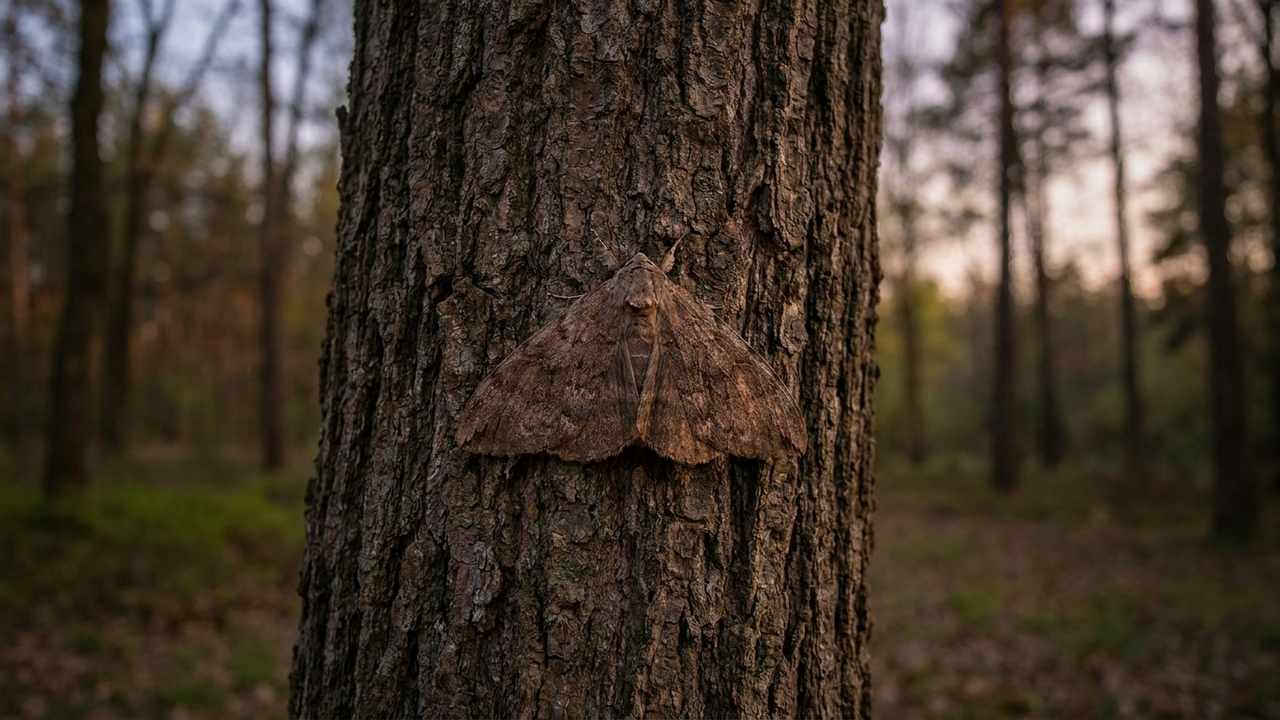
A moth tattoo is a body art design featuring the moth insect, and its most important attribute is its layered symbolism of transformation, attraction, and the beauty found in darkness. When someone searches for what does a moth symbolize tattoo, they are usually trying to decide whether this delicate winged creature fits the personal story they want etched on their skin. The moth carries meanings that range from rebirth and spiritual growth to longing, vulnerability, and the quiet pull toward light. This guide covers the full picture: the core symbolism, popular design variations, placement ideas, cultural associations, design combinations, and the practical questions you should answer before committing to the needle.
The Core Symbolism Behind a Moth Tattoo
The most fundamental meaning of a moth tattoo is transformation through darkness, and the moth represents a soul that changes not despite hardship but because of it. Unlike the butterfly, which most people read as daylight, joy, and easy beauty, the moth is a creature of dusk and shadow. That single difference drives almost every interpretation that follows.
Moths undergo complete metamorphosis. They begin as eggs, become caterpillars, wrap themselves in silk, and emerge with wings. This life cycle makes them an obvious symbol of rebirth and personal evolution. Tattoo collectors often choose a moth after a major life change: leaving a bad relationship, recovering from addiction, surviving grief, or rebuilding a career. The moth says, in visual language, that the person who crawled in is not the person who flies out.
The second core attribute is attraction. Moths navigate partly by moonlight, and artificial lights confuse that instinct. This creates the famous image of a moth circling a flame or a porch light until it burns. In tattoo symbolism, this becomes a meditation on desire, obsession, and the things we want even when they hurt us.
Three threads run through nearly every moth tattoo interpretation:
- Transformation — growth, rebirth, and becoming a new version of yourself
- Attraction and longing — the pull toward what we love, even when it is dangerous
- Beauty in darkness — finding value in the night, the hidden, and the overlooked
Other common readings include fragility, intuition, mourning, and the fleeting nature of life. Because the moth is short-lived as an adult, it also speaks to impermanence. Many people pair this with a memorial meaning, using the moth to honor someone who has passed.
Moth vs Butterfly Tattoo: What the Difference Means
A moth tattoo differs from a butterfly tattoo mainly in tone, and the moth carries a darker, more introspective emotional register than its daylight cousin. Both insects transform, but they tell different stories about how that transformation felt.
| Attribute | Moth Tattoo | Butterfly Tattoo |
|---|---|---|
| Mood | Mysterious, nocturnal, introspective | Bright, uplifting, celebratory |
| Core meaning | Growth through struggle and darkness | Joy, freedom, easy rebirth |
| Typical colors | Muted browns, creams, greys, blackwork | Vivid blues, oranges, pinks |
| Cultural weight | Mortality, longing, the occult | Hope, femininity, new beginnings |
| Best for | Quiet symbolism and depth | Optimism and lightness |
The practical upshot is simple. If a client wants a tattoo that celebrates a happy ending, a butterfly usually fits better. If the client wants a tattoo that honors the difficulty of the journey, the moth is the stronger choice. Neither is better. They simply point in different emotional directions.
Popular Moth Tattoo Variations and Styles
The visual style of a moth tattoo changes how the symbol reads, and the most popular variations fall into a handful of clear categories: realistic, blackwork, minimal line art, traditional, and celestial. Each one attracts a slightly different kind of collector.
Realistic and Entomological
A realistic moth tattoo reproduces the anatomy of an actual species, including wing scales, antennae, and body segmentation. Popular species include the luna moth, the atlas moth, the death’s-head hawkmoth, and the polyphemus moth. These designs suit artists who specialize in fine detail and soft shading. The symbolism here leans scientific and grounded. A realistic luna moth, for example, often signals growth and intuition because of its pale green wings and moon association.
Blackwork and Dark Aesthetic
Blackwork moth tattoos use solid black ink, heavy contrast, and often geometric or gothic framing. This style amplifies the darker meanings: mortality, mystery, and the occult. Many collectors combine a blackwork moth with a skull, a moon phase, or a dagger to push the design further into shadow.
Minimal and Fine Line
Minimal moth tattoos use thin outlines, often with no fill or just a touch of stippling. They read well on small areas like the wrist, ankle, or behind the ear. A minimal moth typically signals understated personal meaning rather than a loud statement.
Traditional and Neo-Traditional
Traditional moth tattoos use bold lines, limited palettes, and strong black shading. Neo-traditional versions add richer color and decorative filigree. These styles give the moth a vintage, tattoo-flash energy that pairs well with roses, banners, and script.
Beyond style, three design variables matter most:
- Size — small moths suit hidden, personal placements; large moths suit the back, thigh, or chest.
- Color versus black and grey — color feels warmer and more decorative, while black and grey feels moodier and more timeless.
- Wing position — open wings show the full pattern and symmetry, while closed wings suggest rest, mourning, or concealment.
Moth Tattoo Placement and What Each Spot Suggests
The placement of a moth tattoo affects both its visibility and its emotional message, and the most meaningful locations are the forearm, chest, back, shoulder, spine, wrist, and thigh. Placement is not just about pain or size. It changes who sees the tattoo and when.
For example, a large moth across the upper back reads as a private monument that the wearer shares only when they choose. A small moth on the inner wrist reads as a daily reminder that the wearer sees constantly, especially during work or study.
| Placement | Common Meaning and Effect |
|---|---|
| Forearm | Visible, conversational, good for medium detailed moths |
| Chest | Personal and protective, close to the heart, often transformation themes |
| Upper back | Private monument, ideal for large symmetrical wing spreads |
| Spine | Vertical flow, often paired with a moon or line of script |
| Wrist or ankle | Small, subtle, a constant personal reminder |
| Shoulder and shoulder blade | Versatile, easy to cover or reveal, suits detail work |
Pain and healing also vary by placement. Areas over bone, such as the spine, ribs, and ankle, generally hurt more and can take longer to heal. Fleshy areas such as the outer thigh and upper arm tend to be more comfortable. A good artist will help match the design size to the location so the moth does not lose its detail as it ages.
Cultural and Historical Associations of the Moth
Cultural associations give the moth tattoo its deeper resonance, and the moth carries distinct meanings across folklore, religion, and modern subcultures. Knowing these layers helps a collector choose a meaning that fits their own background or avoid one that does not.
In many cultures, moths are linked to the soul and to the dead. The ancient Greeks associated the butterfly and moth with Psyche, a figure whose name means soul, and Roman and Greek art sometimes depicted the soul as a winged creature. In several folk traditions, a white moth near a light is said to be a visiting spirit or a sign that a lost loved one is near. This is exactly why the moth works so well as a memorial tattoo.
In Japanese and Chinese art, moths and butterflies appear in textiles and paintings as symbols of transformation and the fleeting nature of beauty. In Mesoamerican art, the moth is connected to night, dreams, and certain deities. The death’s-head hawkmoth, with its skull-like marking, has long carried associations with death and the supernatural, which is one reason it appears so often in dark tattoo designs.
Modern subcultures add another layer:
- Gothic and occult aesthetics — the moth as a creature of night, mystery, and hidden knowledge
- Cottagecore and nature lovers — the moth as a gentle, earthy alternative to the butterfly
- Memorial and grief communities — the moth as a symbol of a spirit returning to the light
- Mental health and recovery spaces — the moth as a reminder that growing through hard times is normal
There are no major gang or prison associations tied specifically to moth tattoos, unlike some other insect and spider designs. The main caution is religious context. In a few conservative religious settings, insect tattoos may be discouraged for modesty or scriptural reasons. That is a personal and cultural decision, not a universal rule.
Who Gets a Moth Tattoo and Why
The typical moth tattoo collector is someone marking a personal turning point, and the most common reasons are survival, grief, identity, and aesthetic attraction. This is not a trend tattoo in the way a simple infinity symbol can be. People usually choose the moth deliberately.
A practical example makes this concrete. Consider a 34-year-old named Rina who left a long-term relationship and started therapy. She might choose a luna moth on her forearm with one wing open and one wing folded, meaning she is still growing but no longer hiding. A 50-year-old who lost a parent might choose a small white moth on the collarbone facing upward toward the light, meaning the person they lost is still near. A 22-year-old art student might choose a blackwork atlas moth across the shoulder simply because the design is striking and the metamorphosis idea matches their view of identity as something you build.
Demographically, moth tattoos appeal across genders and ages. The main shared trait among collectors is that they want a symbol with quiet weight rather than immediate brightness. Tattoo artists often report that moth designs surge when back-to-school and New Year periods arrive, because both moments prompt reflection and change.
Design Combinations and How They Change the Meaning
A moth tattoo becomes more specific when paired with other symbols, and each combination tilts the meaning in a clear direction. The moth is a flexible centerpiece, which is part of its appeal.
| Paired With | Resulting Meaning |
|---|---|
| Moon or moon phases | Night navigation, intuition, feminine energy, cycles |
| Skull or death’s-head | Mortality, staring down fear, the occult |
| Roses or wildflowers | Fragility, beauty, love that survives change |
| Flame or candle | Desire, obsession, attraction to danger |
| Dagger through the wing | Pain, sacrifice, a wound that shaped you |
| Serpent and moth | Rebirth plus renewal, shedding the old self |
| Geometric frame or mandala | Order inside chaos, balance, spiritual structure |
| Script or dates | Memorial, personal mantra, a named loss |
Two rules help keep combinations clean. First, limit the design to two or three major elements so the moth stays readable as it ages. Second, choose combinations that share a mood. A delicate minimal moth with a heavy traditional anchor usually fights itself visually. A minimal moth with a thin moon phase flows naturally.
Practical Considerations Before You Get a Moth Tattoo
Before booking a moth tattoo, you should decide on three things: the meaning you want encoded, the style that fits your skin and lifestyle, and the artist whose portfolio proves they can execute it. Skipping any of these usually leads to regret.
First, write down your reason in one sentence. “I survived something and changed” or “I want to remember someone.” That sentence becomes your filter for every design choice, from species to placement. If a design detail does not serve that sentence, cut it.
Second, match the style to the long term. Fine line and small text blur over the years. If you want your moth to stay crisp for decades, choose bolder lines and enough size to hold detail. Moth wings have fine patterns, and those patterns need room.
Third, vet the artist. Ask to see healed photos, not just fresh ones. Healed work shows how the lines settled. Confirm the shop uses sterile single-use needles and follows standard hygiene practices. Ask about the deposit, the hourly rate, and how many sessions the design will need.
A simple pre-booking checklist:
- Write your one-sentence meaning and keep it with your reference images.
- Collect three to five reference photos and note what you like about each.
- Choose a placement and confirm it fits your workplace and daily life.
- Review the artist’s healed portfolio for moths and insects specifically.
- Budget for the tattoo, aftercare products, and a possible second session.
- Follow aftercare fully: keep it clean, moisturized, and out of direct sun.
One more practical note. Moth tattoos age best when the artist leaves enough negative space between the wing details. Crowded detail is the number one reason insect tattoos turn into dark blobs after a decade.
Frequently Asked Questions About Moth Tattoos
Readers ask a consistent set of questions about moth tattoos, and the answers below address the most common ones. If you are still deciding, these should clear up the last few doubts.
Is a moth tattoo bad luck or negative?
No. The moth is not a bad-luck symbol in mainstream tattoo culture. Its darker associations involve mortality, longing, and mystery, which many people find meaningful rather than negative. Meaning comes from intent, not from the insect itself.
What does a white moth tattoo mean?
A white moth tattoo usually means a spirit, a memory, or a gentle presence. In many folk traditions, a white moth near a light signals a visiting soul, so this version is popular as a memorial design.
What does a luna moth tattoo mean?
A luna moth tattoo commonly means intuition, growth, and feminine energy because of its moon-green color and night-flying nature. It is one of the most requested species for people marking a fresh start.
Can a moth tattoo be small and subtle?
Yes. A minimal fine-line moth works well on the wrist, ankle, behind the ear, or the side of the finger. Keep the design simple so it stays readable at a small size.
Do moth tattoos have religious meaning?
Some do. The moth appears in folk and spiritual traditions as a soul symbol, and in some religious contexts insect tattoos may be discouraged. Otherwise, the moth has no single required religious meaning, and you can assign your own.
How much does a moth tattoo cost?
Cost depends on size, detail, artist, and city. As a general estimate, small minimal moths sit at the low end of a shop’s pricing, while large realistic or blackwork pieces with heavy detail sit in the mid-to-high range and may require multiple sessions. Your artist should quote you before booking.
Final Thoughts on Choosing a Moth Tattoo
A moth tattoo means transformation, attraction, and beauty found in darkness, and it earns its popularity by carrying real emotional weight without shouting. The moth gives you room to say something honest about struggle, growth, grief, or longing, and it works across nearly every style, from tiny fine-line designs to large blackwork back pieces. Understanding its symbolism, its cultural roots, its variations, and its placement options lets you build a tattoo that still feels right in ten years, not just on the day you get it.
If you have read this far, you already have a clearer sense of your own reason. Write that reason down, bring your references to a skilled artist, and trust the process. The moth has been a symbol of change for thousands of years, and it is ready to carry your story next.