
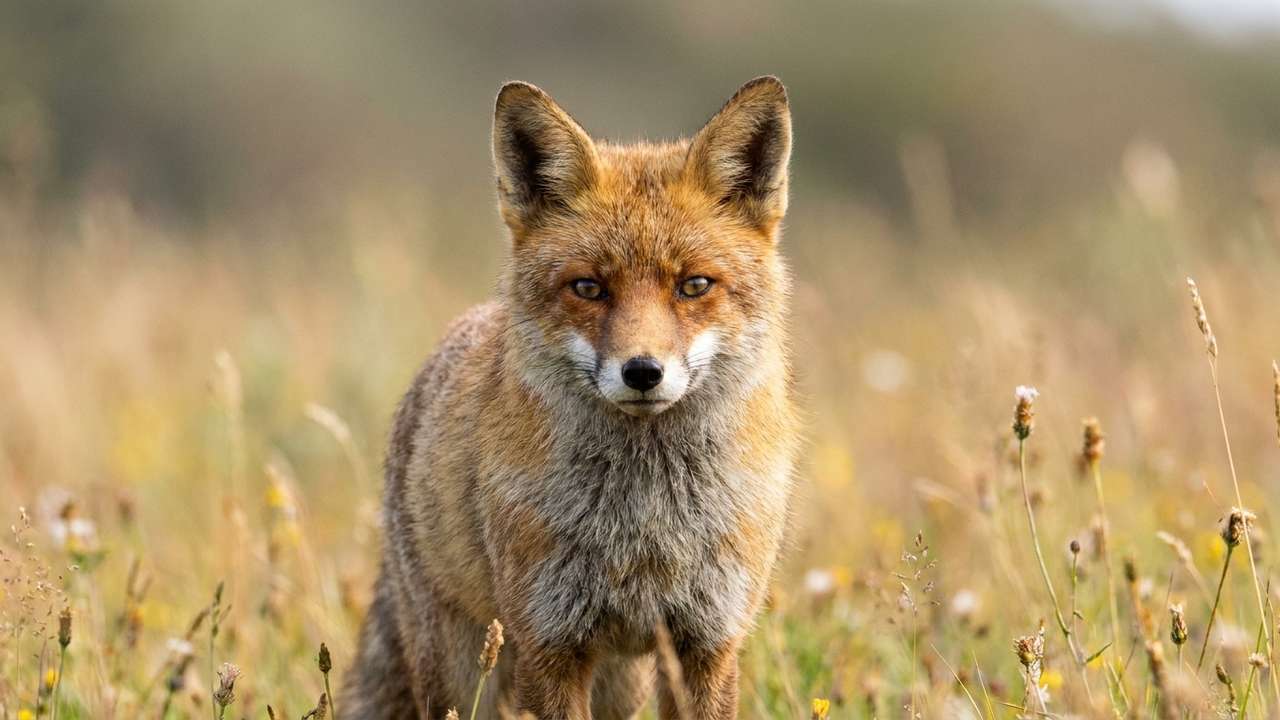
A fox is a small wild canid whose symbolism centers on cunning intelligence, adaptability, and trickster energy. Few animals carry such a divided reputation: admired for a quick mind and striking beauty, distrusted for a talent at slipping away with what it wants. When readers ask what does a fox symbolize, they are really asking about one of the oldest character types in human storytelling — the clever survivor who wins by thinking instead of by force.
That double edge is exactly why the fox matters. It appears in Japanese shrines, Chinese ghost stories, European fables, Native American teaching tales, and modern brand logos, and it rarely means the same thing twice. Understanding fox symbolism helps you read literature, interpret art and tattoos, and notice how cultures quietly encode their values into animal characters. This guide covers the core meaning, the cross-cultural differences, the historical roots, the spiritual side, how color and species shift the message, and the misconceptions that trip people up.
The Core Meaning: Intelligence, Adaptability, and Trickster Energy
A fox symbolizes cleverness, adaptability, and the trickster spirit — the ability to outthink a stronger opponent instead of outfighting it. This is the meaning most readers are looking for, and it is the thread that connects almost every fox tradition on earth.
The fox earns this reputation honestly. It is a mid-sized predator that cannot overpower a wolf or a bear, so it survives by reading situations quickly, hunting at odd hours, and living near human settlements without being noticed. Across cultures, people watched the same behavior and drew the same conclusion: this animal gets what it needs through wits, patience, and timing.
Intelligence Over Strength
A fox represents mental agility rather than physical dominance. In fables the fox rarely wins a straight fight; it wins by talking, waiting, or turning an opponent’s strength against them. That makes the fox a symbol of strategy, diplomacy, and the kind of intelligence that reads a room before speaking.
Adaptability and Survival
The fox is one of the most widely distributed wild mammals on the planet, and its symbolism follows that fact. It stands for flexibility, resourcefulness, and the ability to thrive in changing conditions — cities, forests, deserts, and farmland alike. People who feel drawn to fox symbolism often describe it as a reminder to stay light on their feet.
Beauty, Charm, and Caution
The fox’s coat, grace, and watchful eyes give it a beauty that cultures consistently link to charm and attraction. That charm comes with a warning attached. A charming figure who cannot be fully trusted is a universal storytelling type, and the fox is the animal most often recruited to play that role.
The Trickster Archetype
In folklore studies, the fox belongs to a family of trickster figures alongside the coyote, the raven, and the hare. The trickster breaks rules, exposes hypocrisy, and teaches through embarrassment. It is not simply evil — it is disruptive, and disruption is often how a story teaches a lesson.
- Cleverness: solving problems through insight rather than force.
- Adaptability: surviving change by staying flexible.
- Caution: watching before acting, trusting observation over assumption.
- Charm: the social power of wit and presence.
- Ambiguity: a symbol that refuses to be purely good or purely bad.
What a Fox Symbolizes Across Cultures and Traditions
Fox symbolism differs sharply by culture, and the same animal can represent a sacred messenger in one tradition and a dangerous seducer in another. Reading the fox correctly means asking where the story comes from before deciding what it means.
| Culture or Tradition | What the Fox Symbolizes | Notes |
|---|---|---|
| Japan | Kitsune, sacred messenger of Inari and keeper of wisdom | Benevolent or mischievous; extra tails mark greater power and age |
| China | Huli jing, a shapeshifting spirit of seduction and hidden knowledge | Can be dangerous, but also wise and even heroic in some tales |
| Korea | Kumiho, a nine-tailed fox spirit | Usually more predatory and ominous than the Japanese kitsune |
| Native American nations | Clever helper, healer’s companion, or cautionary trickster | Meanings vary by nation and clan; there is no single pan-Indigenous reading |
| Medieval Europe | Deceit, heresy, and hypocritical cunning | Bestiaries cast the fox as a false saint who feigns death to lure prey |
| French folklore | Reynard, the witty rebel who outwits lords and clergy | Satire aimed upward at power rather than a warning to the poor |
| Slavic and Russian tales | The flattering schemer, often paired with the slow but steady wolf | Charming and unreliable rather than evil |
The cross-cultural contrast matters because it shows the fox is not a fixed badge. In Japan a fox statue at a shrine is a guardian. In medieval Europe, calling someone a fox was an insult. Same animal, opposite verdicts.
One negative reading deserves a direct mention. In parts of rural Europe, a fox near a henhouse or a fox crossing a traveler’s path was treated as a bad sign — a warning of theft or misfortune. The darkness in fox symbolism is real, and it usually attaches to the animal’s habit of taking livestock rather than to any supernatural fear.
Where Fox Symbolism Comes From: History and Folklore
Fox symbolism developed in stages, and each stage added a layer to the modern meaning. The trickster reputation is ancient, but the seductive spirit and the clever rebel are later additions built on top of it.
- Ancient Greece. Aesop’s fables, dating to roughly the sixth century BCE, made the fox a stock character of cleverness — sometimes triumphant, sometimes outwitted by a crow, a stork, or a hedgehog. These short tales carried the fox’s core meaning into European education for two thousand years.
- Roman and medieval bestiaries. Medieval animal encyclopedias turned the fox into a moral warning. The fox was said to play dead to attract birds, then snatch them — a metaphor for the devil or a false teacher luring the careless.
- The Reynard cycle. French poems of the twelfth and thirteenth centuries built an entire saga around Reynard the Fox, a peasant-hero trickster who humiliates a wolf, a bear, and a king. Here the fox’s cunning flipped from villainous to sympathetic.
- Japanese Inari tradition. Shinto shrines to Inari Okami, a god of rice, fertility, and prosperity, adopted the white fox as a messenger. Over centuries the kitsune grew into a full folklore figure with ranks, tails, and its own moral code.
- Modern naturalism and hunting culture. As fox hunting became a sport in Europe, the animal shifted in the public mind from folk character to pest and quarry, which sharpened its reputation as a thief.
- Contemporary culture. Today the fox lives comfortably in children’s books, sports mascots, video games, and tattoo studios, where it usually signals sharp wit and quiet confidence rather than deceit.
The pattern is consistent: whenever a society needed a figure to represent intelligence that operates outside the rules, the fox was available.
Fox Symbolism in Spirituality and Religion
In spiritual contexts, a fox symbolizes intuition, quick judgment, and the guidance of a mind that trusts its own observations. Different traditions express that idea in very different ways.
Spirit Animals and Totems
In modern spiritual practice, the fox is often named as a spirit animal or totem for people who value independence, sharp perception, and the ability to move between social worlds. A person with a fox totem is usually described as observant, private, and quick to notice what others miss. It is worth being precise here: the phrase “spirit animal” as used casually online is a modern borrowing, and many Indigenous nations have their own specific, closed traditions around animal helpers that should not be flattened into a generic list.
Shinto and the Inari Messenger
In Shinto, foxes guard Inari shrines and carry prayers between the human and divine worlds. Worshippers leave offerings such as fried tofu at fox statues, and a fox figure at a shrine gate signals protection rather than danger. This is one of the few traditions where the fox is unambiguously sacred.
Christian and European Moral Readings
Christian moral literature leaned the other way, treating the fox as a symbol of heresy, fraud, and false teaching. In the Gospel of Luke, Jesus refers to a ruler as “that fox,” and medieval preachers used the animal as a living illustration of deception. The symbolism here is cautionary, not evil in a cosmic sense.
A Practical Example
Consider someone who keeps noticing foxes on evening walks and wonders whether it means anything. A useful approach is to treat the sighting as a prompt rather than a prophecy: ask what the fox represents to you, notice which qualities you have been relying on lately, and consider whether you need more patience or more flexibility in a current decision. That reflective use of symbolism is how most spiritual traditions actually intend these figures to work.
How Fox Colors and Species Change the Meaning
The color and species of a fox shift its symbolism, and the variations are more specific than most people expect. A white fox and a red fox carry noticeably different messages in art, folklore, and tattoo design.
| Fox Type | Appearance | Symbolic Meaning |
|---|---|---|
| Red fox | Rust-orange coat, black legs, white tail tip | Passion, visibility, classic cunning, bold adaptability |
| Silver or black fox | Dark coat with silver-tipped guard hairs | Mystery, rarity, hidden knowledge, shadow work |
| Arctic or white fox | Thick white coat, small ears, compact body | Purity, endurance, spiritual insight, surviving harsh seasons |
| Grey fox | Grizzled grey coat, tree-climbing ability | Balance, patience, quiet persistence, uncommon resourcefulness |
| Fennec fox | Very small, oversized ears, sand-colored coat | Curiosity, sensitivity, listening, playful alertness |
The red fox dominates Western symbolism because it is the most widespread and most visible species in Europe and North America. The white fox dominates Japanese shrine imagery, where a white fox messenger is considered especially auspicious. The silver fox sits in a middle position: rare enough to suggest exclusivity and mystery, still recognizably a fox.
Designers and tattoo artists use this palette deliberately. A bright red fox signals outward confidence, while a silver or black fox usually signals something more private and internal. Neither is a stronger symbol — they simply point at different traits.
Fox Symbolism in Everyday Contexts
Fox symbolism shows up in daily life far more often than people realize, from body art to brand identity to the small moment of seeing one cross a road at dusk.
Foxes in Tattoos and Personal Symbols
A fox tattoo usually communicates intelligence, independence, and a refusal to be fully predictable. Common designs each lean on a different attribute:
- A lone fox walking: self-reliance and quiet confidence.
- A nine-tailed fox: transformation, accumulated wisdom, Japanese folklore roots.
- A fox curled around a moon or flame: intuition and inner fire.
- A geometric or line-art fox: modern minimalism, clarity, sharp thinking.
- A fox with flowers: charm softened by gentleness, often chosen to honor a lost loved one.
Foxes in Branding and Business
Companies use fox imagery to signal agility, quick service, and smart problem-solving. The animal reads as friendly but sharp, which suits technology, logistics, and consulting brands. A fox logo rarely suggests luxury or tradition — it suggests speed and cleverness.
When a Fox Appears in Daily Life
City dwellers now see foxes regularly in the early morning and late evening, since urban foxes have adapted to human environments across Europe and parts of North America. For many people, that first sighting prompts a search for meaning. The practical reading is simple: the fox is a reminder that adaptability is a survival skill, and that moving quietly and paying attention often beats making noise.
Common Misconceptions About Fox Symbolism
Several popular assumptions about the fox are simply wrong or badly oversimplified. Clearing them up makes the symbol far more useful.
- Misconception: the fox always means deception. The fox means intelligence first. Deceit is one possible use of that intelligence, and it appears mainly in European moral literature.
- Misconception: the fox is a bad omen everywhere. In Japan the fox is a sacred guardian. Negative readings are regional, not universal.
- Misconception: fox symbolism equals wolf symbolism. The wolf represents loyalty, pack, and raw strength. The fox represents solitary wit and flexibility. They are near opposites in fable logic.
- Misconception: kitsune is just another word for demon. Kitsune range from benevolent shrine messengers to dangerous spirits, and many stories treat them as morally complex characters rather than villains.
- Misconception: a fox symbol has one fixed meaning. Meaning depends on culture, color, species, and context. A fox in a Chinese ghost story and a fox on a Finnish coat of arms are not saying the same thing.
- Misconception: the fox is purely a feminine symbol of seduction. That reading comes mainly from a narrow set of East Asian tales. In most traditions the fox’s cleverness is gender-neutral.
Frequently Asked Questions About What a Fox Symbolizes
Is a fox a good or bad symbol?
A fox is neither. It is an ambiguous symbol that leans positive when it stands for intelligence, adaptability, and quick thinking, and negative when it stands for manipulation or theft. Most modern readers treat it as a positive sign of sharpness and independence.
What does a fox symbolize in love and relationships?
In love, the fox usually signals charm, attraction, and the risk that comes with both. A fox can represent a magnetic partner who is hard to pin down, or it can represent the playful, flirtatious side of a healthy relationship. The cautionary version appears in Chinese and Korean folklore, where fox spirits test human loyalty.
What does a fox symbolize in a tattoo?
A fox tattoo typically represents intelligence, independence, and adaptability. The specific design changes the message: a nine-tailed fox points to transformation and folklore heritage, while a single fox in line art points to clarity and quiet confidence.
What does it mean when a fox crosses your path?
In folk belief, a fox crossing your path has been read both ways — as a warning to stay alert and as a sign of good luck and quick wit. There is no single authoritative tradition behind the phrase, so most people treat it as a prompt to pay attention to their surroundings and trust their instincts.
How is fox symbolism different from cat symbolism?
A cat symbolizes independence, mystery, and domestic intuition. A fox symbolizes active cunning and survival strategy. The cat withdraws; the fox schemes. Both carry an aura of hidden intelligence, but the fox is tied to the wild and to trickster stories in a way the cat usually is not.
What does a fox symbolize in Native American traditions?
Fox meanings vary by nation and clan. Some traditions treat the fox as a clever helper, some as a healer’s companion, and some as a cautionary trickster. Because these are living traditions tied to specific communities, it is more accurate to ask which nation’s story you are reading than to look for one shared definition.
Final Thoughts on Fox Symbolism
The fox has carried the same core meaning for thousands of years: intelligence, adaptability, and the trickster’s refusal to play by someone else’s rules. What changes is the moral coloring. Japan sees a sacred messenger, medieval Europe saw a liar, and modern culture sees a sharp and independent spirit worth admiring. Holding all three readings at once is the most honest way to understand the symbol.
If a fox has caught your attention — in a story, a tattoo, a dream of a design, or a quiet moment on an evening walk — treat it as an invitation to notice how you solve problems. The fox does not ask you to be sneaky. It asks you to be quick, observant, and flexible enough to survive whatever season you are in. That lesson stays useful long after the folklore fades.