
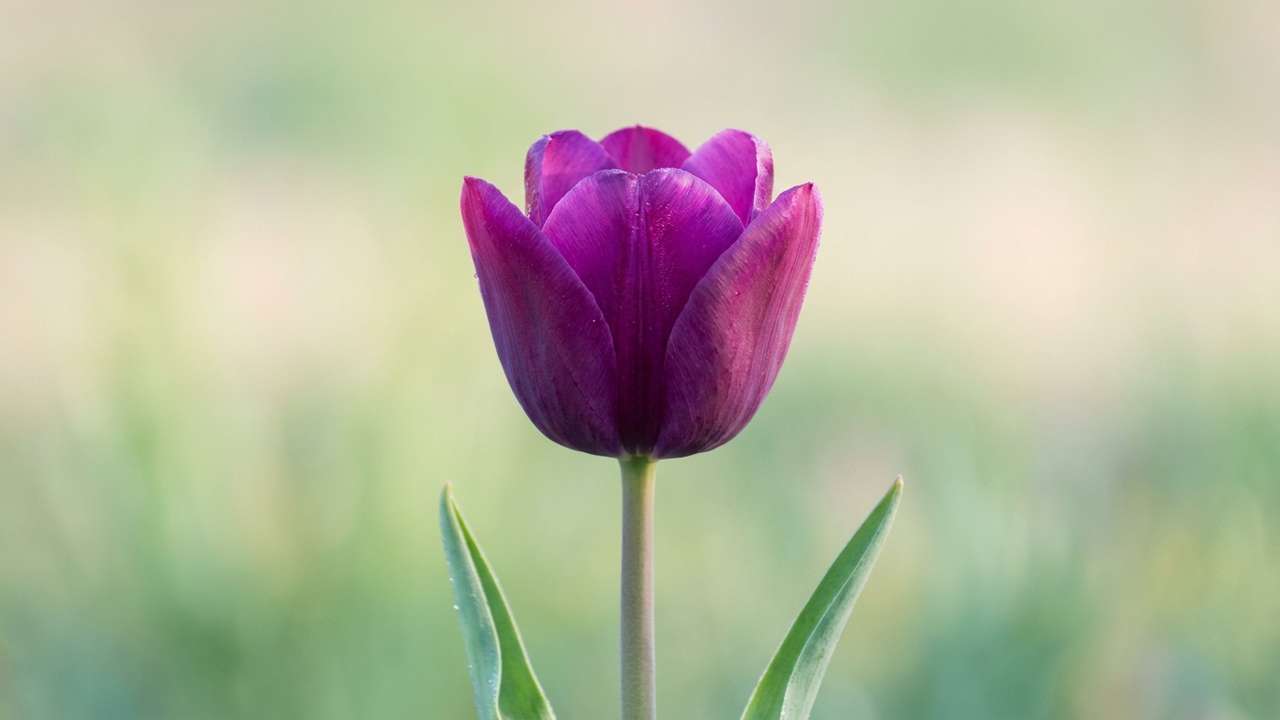
Tulips symbolize perfect love, renewal, and heartfelt charity, making them one of the most emotionally layered flowers a person can give. Long before the Dutch turned them into a national icon, these cup-shaped spring blooms carried deep meaning in Persian poetry and Ottoman court art, where they stood for divine beauty, devotion, and even martyrdom. Today, a simple bunch of tulips can say “I love you completely,” “I am sorry,” “congratulations,” or “I am thinking of you” — and the color of the bloom decides which message wins.
Understanding what do tulips symbolize helps you choose the right flowers for the right moment, whether you are buying a gift, planning a wedding, writing a story, or simply curious about the language of flowers. This guide walks through the core meanings, the surprising history behind them, the symbolism of every tulip color, the cultural differences that change everything, the spiritual layers, and the misconceptions that trip people up. By the end, you will read a tulip bouquet the way a florist reads a face.
The Core Meaning: Perfect Love, Renewal, and Charity
Tulips symbolize perfect love, charity, and rebirth, and this trio forms the foundation of almost every tulip interpretation you will encounter in Western flower language. In the Victorian language of flowers, or floriography, the tulip carried a general meaning of perfect or deep love, along with charity and a generous heart. That is why tulips appear so often in romantic bouquets that skip the drama of roses and lean toward something calmer and sweeter.
The rebirth meaning comes from timing. Tulips are among the first bold colors to push through cold soil in early spring, often blooming while the ground still feels winter-hard. For centuries, gardeners and poets treated that as proof of resilience — a signal that life returns. The bulb itself is a small package that survives freezing, dries out, and still produces a flawless bloom months later, which makes it a natural symbol of hope after hardship.
Why the Shape and Structure Matter
The tulip’s form does a lot of the symbolic work. Its petals close into a tight cup in the evening and open again in the morning, which people have long read as a gesture of contained emotion — love that is held carefully rather than shouted. Unlike roses, tulips have no thorns, so the flower suggests affection without pain or complication. The smooth stem and clean silhouette add a sense of elegance and simplicity that fits modern, minimalist gifting perfectly.
Here is how the most common general meanings break down:
- Perfect love: A declaration of complete, uncomplicated devotion, especially with red blooms.
- Charity and generosity: A giving heart, which is why tulips suit thank-you gifts and volunteer appreciation.
- Rebirth and hope: Spring’s return, recovery, fresh starts, and second chances.
- Elegance: Grace without fuss, tied to the flower’s clean lines and upright posture.
- Fleeting beauty: A reminder to enjoy the moment, since a cut tulip opens fast and moves on quickly.
Where Tulip Symbolism Began: Persia, the Ottomans, and Tulip Mania
Tulip symbolism began in Persia and Central Asia, not in the Netherlands, and the flower’s original meanings were spiritual rather than commercial. Wild tulips grow across the mountains of Central Asia, and Persian culture adopted them early as emblems of love and sacrifice. The word itself travels from the Turkish tülbent, meaning turban, through the Persian dulband, into the Latin tulipa — a nod to the turban-like shape of the bloom.
The Ottoman Empire turned tulip appreciation into an art form. Cultivated tulips filled Istanbul gardens, appeared on tiles, robes, and mosque decoration, and reached a peak during the Tulip Era of Sultan Ahmed III, a period of courtly refinement in the early eighteenth century. Ottoman gardeners prized narrow, needle-pointed petals and bred thousands of named varieties, treating the flower as a mark of status and taste.
Europe entered the story in the sixteenth century when bulbs arrived through trade and diplomacy. The Dutch Republic then did something nobody expected:
- Botanists and merchants recognized the flower’s commercial appeal in the late 1500s.
- Growers discovered that rare, striped varieties could be sold for extraordinary sums.
- Speculative trading in tulip bulbs peaked in the Netherlands around 1636 and 1637, with contracts changing hands for single bulbs at prices that could rival a house.
- The market collapsed in February 1637, and the episode entered history as Tulip Mania.
- Later writers turned the crash into a moral tale about greed, which is why tulips now symbolize both beauty and the danger of obsession.
Historians have since softened the legend. Research by scholars such as Anne Goldgar suggests the economic damage was less catastrophic than popular retellings claim, and that the wildest anecdotes were exaggerated by moralists. Even so, the story stuck, and it gave tulips a second symbolic layer: the flower of beauty, desire, and human folly all at once.
What Tulip Colors Symbolize: A Complete Color Guide
Tulip color decides the message, and that rule matters more than the flower type itself. Red speaks of passionate love, yellow of cheerful friendship, white of purity and apology, pink of affection, purple of royalty, and orange of enthusiasm. If you send a mixed bunch, you are essentially sending a short paragraph rather than a single word.
| Tulip Color | Core Symbolism | Best Occasion |
|---|---|---|
| Red | Passionate love, deep devotion, courage | Romantic gestures, anniversaries, Valentine’s Day |
| Yellow | Cheerful thoughts, sunshine, friendship (historically unrequited love) | Get well soon, thank you, friendship |
| White | Purity, forgiveness, sympathy, new beginnings | Weddings, apologies, memorials |
| Pink | Affection, caring, good wishes | New baby, Mother’s Day, gentle romance |
| Purple | Royalty, elegance, admiration | Congratulation, luxury gifts, milestone events |
| Orange | Enthusiasm, energy, encouragement | New jobs, housewarmings, celebrations |
| Deep purple or near-black | Power, mystery, quiet strength | Dramatic arrangements, formal events |
Red Tulips: The Classic Declaration
Red tulips mean passionate, certain love. In Persian legend, red tulips are said to have grown from the blood of a young man named Farhad who died of grief over the loss of his beloved Shirin, which gives the color a tragic, all-in quality. In Turkey, the red tulip carries patriotic weight as well, representing the blood of martyrs and love of country. Sending red tulips to a partner is a confident move, and it reads clearly as romance rather than friendship.
Yellow Tulips: From Hopeless Love to Simple Sunshine
Yellow tulips mean cheerful thoughts and bright friendship today, but they hold a less happy meaning in older flower-language traditions. Victorian floriography sometimes assigned yellow tulips the meaning of hopeless or unrequited love, which is why some older etiquette guides warn against sending them to a new romantic interest. Modern florists have largely dropped that reading and treat yellow as a warm, optimistic color that suits friends, colleagues, and family.
White, Pink, Purple, and Orange Tulips
White tulips mean purity, forgiveness, and remembrance, so they work equally well at a wedding and at a memorial. Pink tulips signal affection and good wishes without romantic pressure, which makes them one of the safest gifts in the flower shop. Purple tulips suggest admiration, dignity, and a touch of luxury. Orange tulips carry enthusiasm and encouragement, the floral equivalent of a pep talk before a big presentation.
Striped and Variegated Tulips
Striped tulips have a meaning of their own. Ottoman gardeners called the flame-patterned blooms “the tulip of the beautiful eyes” and considered them the most desirable of all. In the Netherlands, these feathered and flamed patterns triggered the wildest speculation of Tulip Mania. The patterns actually came from a virus, now called the tulip breaking virus, that altered pigment in the petals while weakening the bulb — a case where beauty and fragility travelled together.
Tulips in Different Cultures: Turkey, Persia, the Netherlands, and Beyond
Tulips mean different things in different cultures, and the same red bloom can shift from romantic to sacred depending on where you stand. In Turkey it is a national emblem tied to love of homeland and divine beauty, in Iran it is a symbol of martyrdom and sacrifice, and in the Netherlands it is a badge of national identity and commercial history. Recognizing these differences keeps you from misreading a flower that carries real cultural weight.
- Turkey: The tulip is the national flower and a symbol of perfection, paradise, and devotion. Red tulips in particular represent love of the country and honor the fallen.
- Iran and Persian culture: The tulip, called laleh, represents martyrdom, enduring love, and the promise of renewal. It appears on monuments and is tied to the story of sacrifice.
- Afghanistan and Central Asia: Wild tulips cover the mountains in spring and are woven into local poetry and festivals as symbols of resilience.
- The Netherlands: Tulips symbolize national pride, spring markets, and the Golden Age trading spirit. They are also a global travel icon thanks to the Keukenhof gardens.
- Victorian Europe: The tulip entered the coded language of flowers, where a red tulip declared love and a yellow one expressed hopeless affection.
- Modern global culture: Tulips read as fresh, affordable, and modern, which is why they now surpass many traditional flowers in everyday gifting.
The differences are not just decorative. A bouquet that feels warm and patriotic in Istanbul can feel purely romantic in London and quietly sacred in Tehran. When you send tulips across cultures, the color and the occasion usually tell the receiver how to read them.
Spiritual and Religious Symbolism of Tulips
Tulips carry spiritual meaning in several traditions, most strongly in Islamic and Sufi contexts. Ottoman calligraphers and craftsmen linked the tulip’s shape and name to the divine, and the flower became a standard motif in mosque tiles, prayer rugs, and manuscript illumination. In Sufi poetry, the tulip often stands for a heart burning with love for God — vivid red outside, dark within.
In Persian religious culture, the tulip is closely associated with martyrdom and sacrifice. Red tulips are said to grow where the faithful fell, and the flower appears on memorials and in mourning rituals. That sacred reading sits alongside the romantic one, which is why a red tulip in Iran can mean both love and loss.
Elsewhere, the symbolism is quieter. In Dutch Golden Age painting, tulips appear in still lifes that also feature skulls, hourglasses, and burnt candles, part of a tradition known as vanitas — art that reminds viewers of the fleeting nature of life. The bulb’s annual return from the earth also gave the flower a natural association with resurrection and renewal in Christian European gardens, though it never became an official religious symbol the way the lily or the rose did.
Tulips in Modern Life: Gifts, Weddings, and Anniversaries
Tulips mean something practical in everyday life: they are the dependable, affordable, seasonally fresh gift that fits almost any occasion. Because they are widely grown and reasonably priced in spring, they show up in supermarkets, corner shops, and high-end florists alike. That accessibility is part of their charm — a bunch of tulips feels generous without feeling excessive.
Consider a real scenario. A person wants to apologize to a friend after an argument but does not want the gesture to read as romantic. Red roses would send the wrong signal and cost too much. A bunch of white tulips solves the problem: white conveys sincerity and forgiveness, and the tulip’s overall meaning of warm charity keeps the tone friendly rather than intense. That is tulip symbolism doing useful work.
Common modern uses include:
- Romantic milestones, where red or pink tulips stand in for roses at a lower price point.
- Weddings, where white and pastel tulips suit modern bridal styles and spring dates.
- Condolences and sympathy arrangements, usually in white.
- Corporate and colleague gifts, generally yellow or orange.
- Anniversaries, since tulips are widely listed as the traditional flower for the eleventh wedding anniversary.
- Home decor in spring, where a simple vase of tulips has become a seasonal ritual in many countries.
Common Misconceptions About What Tulips Mean
Tulip symbolism attracts plenty of half-truths, and the biggest one is that all tulips mean romantic love. They do not. The color carries most of the specific message, so a yellow tulip and a red tulip are doing entirely different jobs. Clearing up the myths makes your flower choices sharper.
- Myth: Tulips are Dutch flowers. The Netherlands made them famous, but tulips are native to Central Asia and were cultivated in Persia and the Ottoman Empire first.
- Myth: Yellow tulips always mean jealousy. The old hopeless-love reading exists in Victorian flower language, but modern florists treat yellow as cheerful friendship.
- Myth: Black tulips are truly black. So-called black tulips are very deep purple or maroon. The hunt for a genuinely black bloom inspired Alexandre Dumas’s 1850 novel The Black Tulip, and growers still chase the look.
- Myth: Tulip Mania ruined the Dutch economy. Recent historical work argues the collapse was narrower and less catastrophic than popular retellings suggest.
- Myth: A cut tulip lasts only a day or two. Handled well, most cut tulips hold for about a week, though they do keep growing in the vase and bend toward the light.
- Myth: Tulips only bloom once. Many garden tulips can return in later years, especially species tulips, though hybrid varieties often fade after a season or two.
Frequently Asked Questions About Tulip Symbolism
Do tulips symbolize anything negative?
Yes, in a limited way. Yellow tulips once carried the meaning of unrequited or hopeless love in Victorian flower language, and the tulip’s link to Tulip Mania gives it an association with greed and reckless speculation. In most modern contexts, though, those negative readings are historical footnotes rather than active warnings.
What does a single tulip mean?
A single tulip is a simple, focused declaration. Given in red, it reads as “you are my perfect love”; given in white, it can read as a quiet apology or a gesture of respect. One stem is common in Turkey and the Netherlands as an elegant, understated gift.
Are tulips appropriate for funerals and sympathy gifts?
White tulips are appropriate for sympathy and memorial arrangements because they symbolize purity, peace, and remembrance. Avoid bright mixes of orange and yellow for solemn occasions, and keep the arrangement simple and calm.
What do tulips mean at a wedding?
At weddings, tulips symbolize perfect love and new beginnings, which makes them a natural fit for spring ceremonies. White and blush pink tulips are the most common choices, though couples often use bright colors to match a modern theme.
Do the color and the flower type both matter?
Color matters most, but flower type adds nuance. Standard single tulips read as classic and sincere, double-flowered tulips feel richer and more romantic, and frilly parrot tulips suggest boldness and drama. Species tulips, being smaller and wilder, feel more natural and unfussy.
What does the tulip mean in Persian and Turkish culture?
In Persian and Turkish culture, the tulip carries sacred and patriotic weight. It represents martyrdom, divine beauty, and devotion to the homeland, especially in red. That sacred layer sits on top of the romantic meaning rather than replacing it.
Why Tulip Symbolism Still Matters Today
Tulips remain one of the clearest flowers in the language of symbols because their message is layered but never confusing. The flower as a whole stands for perfect love, charity, and renewal, while the color fine-tunes the meaning: red for passion, yellow for friendship, white for sincerity, pink for affection, purple for admiration, orange for energy. Add the historical and cultural layers — Persian sacrifice, Ottoman artistry, Dutch commerce, Victorian code — and you have a bloom that can carry a small story in every bouquet.
Knowing what tulips symbolize gives you a practical advantage, whether you are choosing flowers for a partner, an apology, a wedding, or a colleague’s first day. It also makes the spring garden richer, because you are no longer just looking at color — you are reading a message that has travelled across centuries and continents to reach your vase. Next time you see a tulip open in the morning sun, remember that its meaning is as fresh as it is old, and that a single stem can still say something worth hearing.